
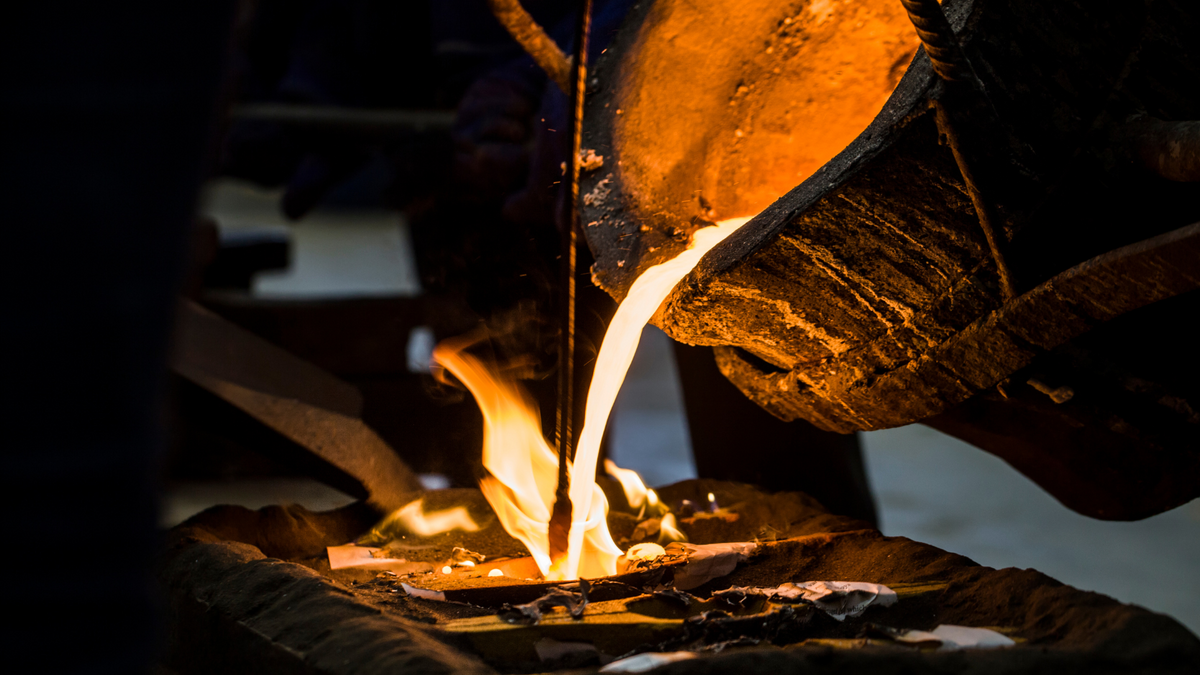
In der Welt der Fertigung ist das Gießen eines der ältesten und grundlegendsten Verfahren, um geschmolzenes Metall in feste Teile zu formen. Unter den verschiedenen Gießmethoden sind das Metallformgussverfahren (auch als Dauerformguss oder Hartformguss bezeichnet) und der Sandformguss zwei der am weitesten verbreiteten Techniken. Obwohl beide demselben grundlegenden Zweck dienen, basieren sie auf grundsätzlich unterschiedlichen Prinzipien und bieten jeweils spezifische Vorteile sowie Einschränkungen. Im Kern läuft die Entscheidung zwischen beiden auf einen klassischen Kompromiss hinaus: Metallformen bieten eine überlegene Präzision und Effizienz, bringen jedoch hohe Anfangskosten und eine starre Prozessführung mit sich, während Sandformen eine beispiellose Flexibilität und niedrige Einstiegshürden bieten – allerdings zulasten der Oberflächengüte und der Produktionsgeschwindigkeit.
Nachfolgend finden Sie einen detaillierten, nebeneinander stehenden Vergleich dieser beiden entscheidenden Verfahren entlang mehrerer wichtiger Leistungsdimensionen.
- Mechanische Eigenschaften des Gussteils
- Metallformguss:Da die Metallform Wärme schnell aufnimmt, kühlt das geschmolzene Metall und erstarrt wesentlich schneller. Dies führt zu einer feineren, dichteren Kornstruktur. Infolgedessen weisen Gussstücke, die nach diesem Verfahren hergestellt werden, deutlich bessere mechanische Eigenschaften auf. Im Durchschnitt lässt sich die Zugfestigkeit um etwa 25 % und die Streckgrenze um rund 20 % gegenüber Sandgussteilen aus der gleichen Legierung steigern.
- Sandformguss:Die isolierende Wirkung des Sands bewirkt, dass das Metall langsam abkühlt. Diese trägere Abkühlung führt zu einem gröberen Kornwachstum und einer relativ lockeren inneren Struktur, was sich in einer geringeren Gesamtfestigkeit und Duktilität niederschlägt.
- Maßhaltigkeit und Oberflächengüte
- Metallformguss:Die starren, maschinell bearbeiteten Oberflächen der Metallform erzeugen Gussteile mit hoher Maßhaltigkeit und einer glatten Oberfläche. Die Wiederholgenauigkeit von Teil zu Teil ist ausgezeichnet, wodurch der Bedarf an nachfolgenden Bearbeitungs- und Schlichtoperationen erheblich reduziert wird.
- Sandformguss:Die Oberflächentextur des Sands wird direkt auf das Gussteil übertragen. Daher ist die Oberfläche rau, und die Maße sind weniger präzise, bedingt durch die manuelle Herstellung der Form sowie die inhärente Variabilität der Sandverdichtung. Gussteile benötigen daher in der Regel einen größeren Nachbearbeitungsspielraum, um die endgültigen Spezifikationen zu erfüllen.
- Produktionseffizienz und Kostenstruktur
- Metallformguss:Dieses Verfahren ist äußerst effizient für die Massenproduktion. Die Metallform kann Hunderte oder sogar Tausende Male wiederverwendet werden, was die Stückkosten erheblich senkt. Allerdings ist hierfür eine beträchtliche Anfangsinvestition erforderlich, da die Metallformen selbst teuer in Konstruktion, Fertigung und Wartung sind.
- Sandformguss:Die Effizienz ist gering, weil jede Sandform beim Entnehmen des Gussteils zerstört wird – für jedes einzelne Teil muss eine neue Form angefertigt werden. Die Stückkosten für Arbeit und Material sind bei kontinuierlicher Produktion höher. Dafür sind die Einstiegskosten sehr niedrig; Sand und Bindemittel sind kostengünstig, und einfache Modelle erfordern keine hochentwickelten Werkzeuge, was dieses Verfahren ideal für Kleinserien und Prototypen macht.
- Prozessbeschränkungen und geometrische Einschränkungen
Metallformguss: Diese Methode unterliegt strengen Einschränkungen:
- Keine Permeabilität:Das Metall weist keine Porosität auf, daher kann es nicht „atmen“. Spezielle Entlüftungssysteme sind erforderlich; andernfalls verursacht eingeschlossene Luft Blasenbildung oder Fehlentleerungen.
- Keine Kollabierbarkeit:Die starre Form gibt nicht nach, um sich dem Erstarrungsschrumpf anzupassen. Dies kann zu Heißrissen oder Rissen im Gussteil führen und in Gusseisenteilen eine „abgeschreckte“ Weißgussstruktur hervorrufen.
- Eingeschränkte Geometrie:Es ist im Allgemeinen ungeeignet für sehr große Teile, Bauteile mit äußerst komplexen inneren Hohlräumen oder Teile mit extrem dünnen Wänden.
Sandformguss: Diese Methode weist praktisch keine Einschränkungen auf. Sandformen können für nahezu jedes Gewicht, jede Größe und jede Form angefertigt werden – von wenigen Gramm bis hin zu mehreren hundert Tonnen. Darüber hinaus ist sie mit nahezu allen gießfähigen Metallen kompatibel, einschließlich hochschmelzender Legierungen wie Stahl.
- Materialausnutzung
- Metallformguss:Dank der Präzision der Formhohlraumgeometrie und des Wegfalls großer Angusssysteme, die bei Sandformen erforderlich sind, wird der Verbrauch an flüssigem Metall reduziert. Dies führt im Vergleich zum Sandguss in der Regel zu Materialersparnissen von 15 % bis 30 %.
- Sandformguss:Die Metallausnutzungsrate ist niedriger, da ein erheblicher Teil des flüssigen Metalls häufig im Angusssystem, in den Steigern und in den Gießbecken verbraucht wird, die anschließend als Ausschuss entsorgt und wiederverarbeitet werden müssen.
- Arbeitsumgebung und Nachhaltigkeit
- Metallformguss:Dieses Verfahren ist relativ sauber und umweltfreundlich für den Gießereiboden. Da es kaum oder gar keinen Sand verwendet, verringert es das luftgetragene Silikastaub deutlich. Zudem senkt es die Arbeitsintensität und lässt sich hervorragend mechanisieren und automatisieren.
- Sandformguss:Die Arbeitsbedingungen sind jedoch besonders belastend. Die Tätigkeiten des Mischens, Formens, Entformens und Reinigens erzeugen erhebliche Lärmemissionen sowie gesundheitsgefährdenden Silikastaub, was sowohl für die Arbeiter ein Gesundheitsrisiko darstellt als auch umfangreiche Absauganlagen erforderlich macht.
Leitlinien zur Prozessauswahl
Angesichts dieser unterschiedlichen Eigenschaften wird die Entscheidung vor allem durch Ihre Produktionsgröße und Ihre Qualitätsanforderungen bestimmt:
- Wählen Sie das Metallformgussverfahren, wenn:Sie planen eine Massenproduktion in hohen Stückzahlen. Diese Methode wird insbesondere für Nichteisenlegierungen wie Aluminium und Magnesium bevorzugt (z. B. für Automobilkolben, Zylinderköpfe und Motorgehäuse). Wenn Ihre Priorität hohe mechanische Festigkeit, enge Toleranzen und glatte Oberflächen sind, stellt dies die überlegene Lösung dar.
- Wählen Sie das Sandformgussverfahren, wenn:Sie arbeiten mit Kleinserien, Sonderanfertigungen oder Einzelstücken als Prototypen. Dennoch bleibt das Sandgussverfahren die dominierende Wahl für große, schwere oder besonders komplexe Bauteile – etwa Maschinenbettteile, Motorblöcke und große Ventilgehäuse. Zudem ist es die einzige praktikable Option für hochschmelzende Werkstoffe wie Stahl. Derzeit macht das Sandgussverfahren noch immer 70 % bis 80 % der weltweit insgesamt gegossenen Tonnen aus – ein Zeugnis seiner unersetzlichen Vielseitigkeit.
Letztlich ermöglicht das Verständnis dieser Abwägungen Ingenieuren und Herstellern, ihre Prozesswahl optimal an ihre wirtschaftlichen Ziele und technischen Spezifikationen anzupassen und so das optimale Gleichgewicht zwischen Kosten, Qualität und Leistung zu gewährleisten.