
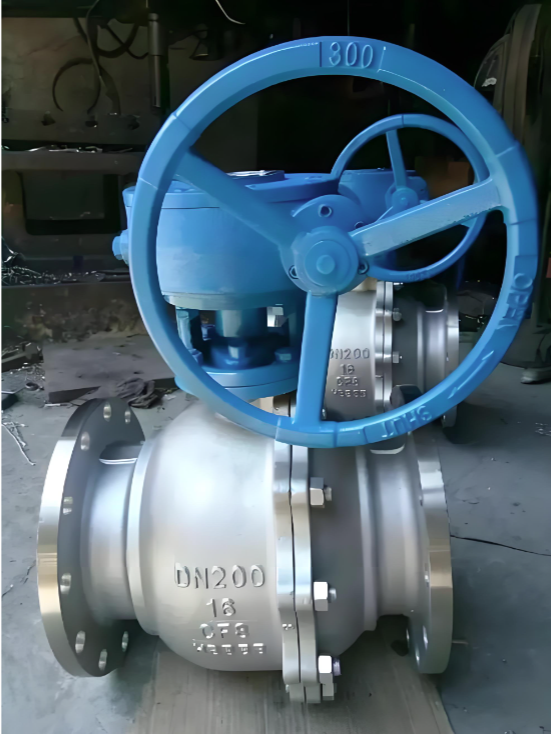
Edelstahlgussteile sind für die Luft- und Raumfahrt-, Lebensmittelverarbeitungs- sowie Chemieindustrie von entscheidender Bedeutung; die Herstellung fehlerfreier Komponenten erfordert jedoch eine strenge Kontrolle in jedem einzelnen Schritt. Nachfolgend werden die kritischen Bereiche aufgeführt, die jede Gießerei überwachen muss.
- Integrität der Rohstoffe
Überprüfen Sie ankommenden Schrott und Hauptlegierungen mittels Spektrometeranalyse. Trennen Sie die Legierungsgrade strikt – bereits geringe Abweichungen bei Cr, Ni oder Mo können die Korrosionsbeständigkeit beeinträchtigen. Entfernen Sie vor dem Schmelzen Öl, Beschichtungen und Verunreinigungen.
- Schmelzen und Raffinieren
Halten Sie die Temperatur zwischen 1450 °C und 1530 °C; vermeiden Sie eine zu lange Überhitzung. Verwenden Sie Vakuum oder Inertgas, um eine Oxidation des Chroms zu verhindern. Steuern Sie die Schlackenchemie und entfernen Sie regelmäßig die Schlacke, um Verunreinigungen zu beseitigen. Bei der AOD-/VOD‑Raffination achten Sie darauf, die Entkohlung auszubalancieren, ohne dabei übermäßige Oxidation zu verursachen.
- Gussformen und Formvorbereitung
Gestalten Sie die Angusssysteme so, dass eine gleichmäßige, turbulenzarme Füllung gewährleistet ist, um Oxidschichten und Lufteinschlüsse zu reduzieren. Platzieren Sie Keramikfilter, um Einschlüsse zurückzuhalten. Sorgen Sie für ausreichende Heber und Kühler, um den Festigkeitsverlust durch Erstarrungsschrumpfung von etwa 2–4 % auszugleichen. Die Formen müssen trocken und durchlässig sein, damit Gase entweichen können.
- Gießen und Erstarren
Gießen Sie bei 50–100 °C oberhalb des Liquidus, wobei ein gleichmäßiger Strahl aufrechtzuerhalten ist. Schützen Sie das Schmelzbad mit einer Argonabschirmung. Während des Abkühlens vermeiden Sie schnelles Abschrecken oder vorzeitiges Herausnehmen – eine kontrollierte gerichtete Erstarrung verhindert heiße Risse und Verformungen.
- Wärmebehandlung und Oberflächenbearbeitung
Lösungsglühen, Stabilisierung oder Ausscheidungshärtung müssen nach präzisen Zyklen mit gleichmäßigen Ofentemperaturen und schützenden Atmosphären erfolgen. Entfernen Sie die Angussstücke sorgfältig, um lokale Überhitzungen zu vermeiden. Beim Bearbeiten verwenden Sie scharfe Hartmetallwerkzeuge und ausreichend Kühlmittel, um der Arbeitshärtung entgegenzuwirken.
- Inspektion und Rückverfolgbarkeit
Wenden Sie zerstörungsfreie Prüfverfahren wie Radiographie, Ultraschall und Farbstoffpenetration an, um innere und oberflächennahe Defekte zu erkennen. Überprüfen Sie die Abmessungen mit einem Koordinatenmessgerät (CMM). Führen Sie vollständige Aufzeichnungen über Materialzertifikate, Schmelzprotokolle, Wärmebehandlungspläne sowie Testergebnisse, um eine lückenlose Rückverfolgbarkeit sicherzustellen.
- Sicherheit und Umwelt
Installieren Sie eine effiziente Dunstabzugshaube zur Absaugung chrom- und nickelhaltiger Stäube. Stellen Sie geeignete persönliche Schutzausrüstung sowie Maßnahmen zum Umgang mit Hitzestress für das Personal bereit. Entsorgen Sie Schlacke gemäß den gesetzlichen Vorschriften als gefährlichen Abfall.
Die Edelstahlgussproduktion ist ein hochriskanter Prozess, bei dem der Erfolg im Detail liegt. Durch die konsequente Einhaltung strenger Kontrollen bei den Rohstoffen, dem Schmelzen, dem Formen, dem Abkühlen und den Prüfungen können Gießereien die Ausbeute erhöhen, den Ausschuss reduzieren und anspruchsvolle Spezifikationen stets einhalten. Fortlaufende Schulungen und regelmäßige Prozessüberprüfungen bleiben die Grundlage für Qualität und Wettbewerbsfähigkeit.