
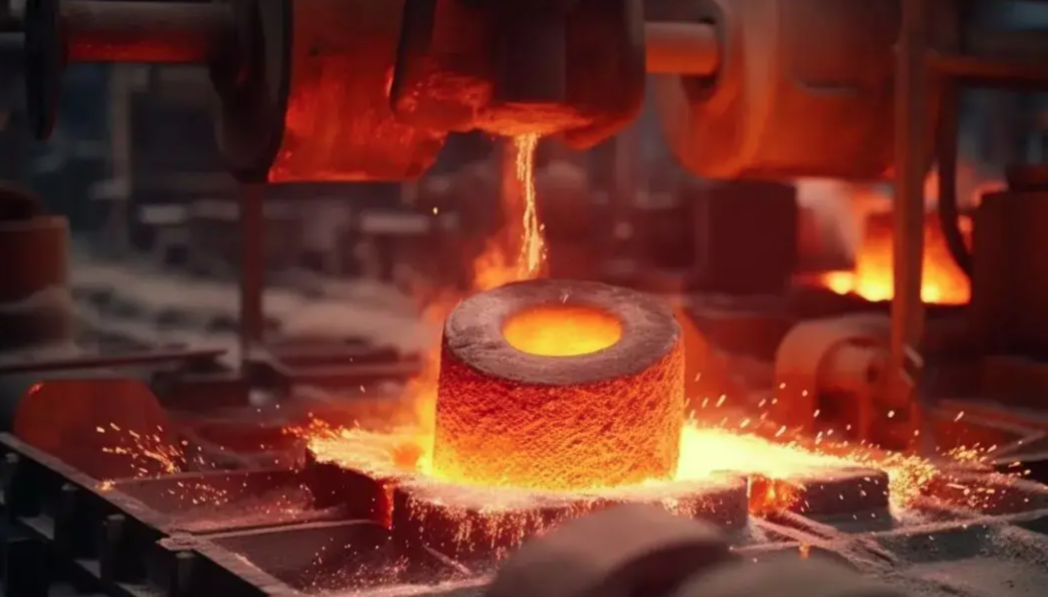
In den letzten Jahren hat sich Chinas Gießereiindustrie zwar rasch entwickelt und die Kluft zu entwickelten Ländern wie Europa, den Vereinigten Staaten und Japan schrittweise verringert; dennoch sind die grundlegenden Unterschiede nach wie vor deutlich erkennbar. Diese Kernunterschiede zeigen sich zunächst in Technologie und Fertigungskunst: Der Energieverbrauch bei Gusseisenteilen liegt in den entwickelten Ländern nur bei einem Zwei- bis Dreifachen des chinesischen Niveaus, und die Bearbeitungstoleranzen der Gussteile sind weitaus geringer als in China; zudem liegen der Einsatz hochwertiger Werkstoffe sowie der Grad der Digitalisierung und Intelligenz deutlich vor China. Bei einigen hochwertigen Gussteilen ist China weiterhin auf Importe angewiesen, während entsprechende Technologien und lokal angepasste Software noch ausbaufähig sind.
Umweltschutz und Industriestruktur stellen einen weiteren zentralen Unterschied dar: In den entwickelten Ländern gelten strengere Umweltschutzstandards und eine höhere Wiederverwendung von Ressourcen, während China mit stärkerem Druck hinsichtlich der Einhaltung umweltrechtlicher Vorgaben sowie einer unzureichenden Verbreitung der Regenerierung von Alt-Sand konfrontiert ist. Hinsichtlich der Industriestruktur verfügt China über einen hohen Anteil an kleinen und mittleren Unternehmen, wobei die Ausschussrate bei Gussteilen deutlich höher ist als in den entwickelten Ländern; zudem sind Ausbildungskapazitäten schwach ausgeprägt und die kooperative Innovationskraft zwischen Industrie, Hochschulen und Forschung unzureichend. Dagegen haben die entwickelten Länder bereits ein ausgereiftes Branchencluster sowie ein stabiles technologisches Ökosystem etabliert.
Die Kernunterschiede in der politischen Ausrichtung und der Marktnachfrage sind erheblich: Chinas Politik zielt darauf ab, die grüne und intelligente Transformation der Branche voranzutreiben, während die entwickelten Länder ihren Schwerpunkt auf Umweltaufsicht und fairen Marktwettbewerb legen. Auf der Marktseite konzentriert sich China auf die Bereitstellung von Gussteilen für mittlere und hochwertige zivile Anwendungsbereiche, während die entwickelten Länder sich auf High-End‑Anwendungen wie Luft- und Raumfahrt fokussieren und dabei strengere Anforderungen an Präzision und Zuverlässigkeit der Gussteile stellen.
Der wesentliche Unterschied in der industriellen Wertschöpfungskette und der internationalen Standortstrategie besteht darin: China verfügt über eine vollständige Wertschöpfungskette, jedoch unterliegen die Rohstoffkosten starken Schwankungen und das Land sieht sich im Ausland mit Handelshemmnissen konfrontiert; dagegen besitzen die entwickelten Länder eine gut koordinierte Industriekette und eine ausgereifte globale Standortstrategie, doch einige Produktionskapazitäten wurden aufgrund externer Faktoren zurückgefahren. Insgesamt liegen Chinas Stärken in der Wertschöpfungskette und der Marktnachfrage, während die entwickelten Länder ihre Vorteile in Technologie, Umweltschutz und effizienter Unternehmensführung sehen. Dies sind die zentralsten Lücken zwischen beiden Regionen, die sich jedoch allmählich verringern.