
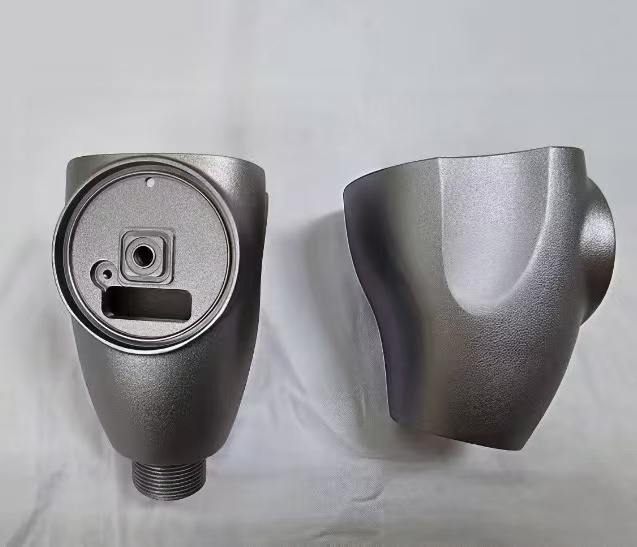
- Define acceptance criteria first
- Oil-free: no visible oil/grease on machined surfaces; white lint-free cloth wipe shows no oil stain; if required, UV inspection shows no fluorescence.
- Rust-free: no visible rust, stain, or rust seeds; no water-break or moisture trapped in pores/threads/blind holes.
- Agree with the customer whether VCI film/desiccant is allowed and whether any oil-free temporary rust inhibitor is permitted. Do not use oil-based anti-rust oil.
- Process flow
Incoming inspection → Pre-cleaning → Degreasing → Rinsing → Derusting (if needed) → Neutralizing/Rinsing → Drying → Cleanliness inspection → Clean handling → Dry packaging
- Key operations
3.1 Incoming inspection
Check for rust, oil, coolant, chips, cutting fluid, and moisture. Segregate rusty parts.
3.2 Pre-cleaning
Remove chips, debris, and loose contamination by compressed air, brushing, or vacuum. Use clean, dry, oil-free air.
3.3 Degreasing
- Use an aqueous alkaline or neutral water-based degreaser suitable for castings and machined surfaces.
- Use ultrasonic cleaning for blind holes, threads, and porous areas if needed.
- Control concentration, temperature, pH, and time according to the supplier’s instructions.
3.4 Rinsing
- Rinse with clean water, preferably DI water, to remove cleaner residue.
- Monitor rinse water conductivity/pH; change water before contamination builds up.
3.5 Derusting, if rust is present
- Remove rust completely by mechanical means or a suitable chelating/acidic rust remover that does not damage machined dimensions.
- After acid derusting, neutralize and rinse thoroughly. Do not leave acid residue, or flash rust will occur.
3.6 Drying
- Dry immediately with clean compressed air, then oven dry or vacuum dry.
- Pay special attention to blind holes, threads, porous casting surfaces, and crevices.
- Do not dry with oily/dirty compressed air.
3.7 Eindcontrole
- Visually inspect for rust and oil.
- Wipe critical surfaces with a clean white lint-free cloth.
- Check blind holes/threads with clean swabs.
- If specified, use UV light for oil residue and moisture-indicator paper for dryness.
3.8 Clean handling
- Operators must wear clean gloves. Do not touch parts with bare hands.
- Use clean, dry, oil-free trays, racks, and gloves.
- Keep the packaging area clean and humidity-controlled.
3.9 Packaging
- Package only after the part is confirmed oil-free, rust-free, and dry.
- Use dry corrosion protection: vacuum bag with desiccant, VCI film/paper if allowed, humidity indicator, and moisture-barrier bags.
- Do not use oil-based anti-rust oil. If an oil-free temporary inhibitor is allowed, it must be validated as leaving no oil residue.
- Add desiccant according to package volume, humidity, and storage time.
- Process control
- Monitor degreaser concentration, pH, temperature, rinse-water conductivity, drying temperature/time, and cleanliness inspection results.
- Keep records of bath changes, inspection results, and packaging materials.
- Validate the process with a trial lot: white-cloth wipe, UV check, humidity indicator, and short-term storage test.